Rooted in many cultures
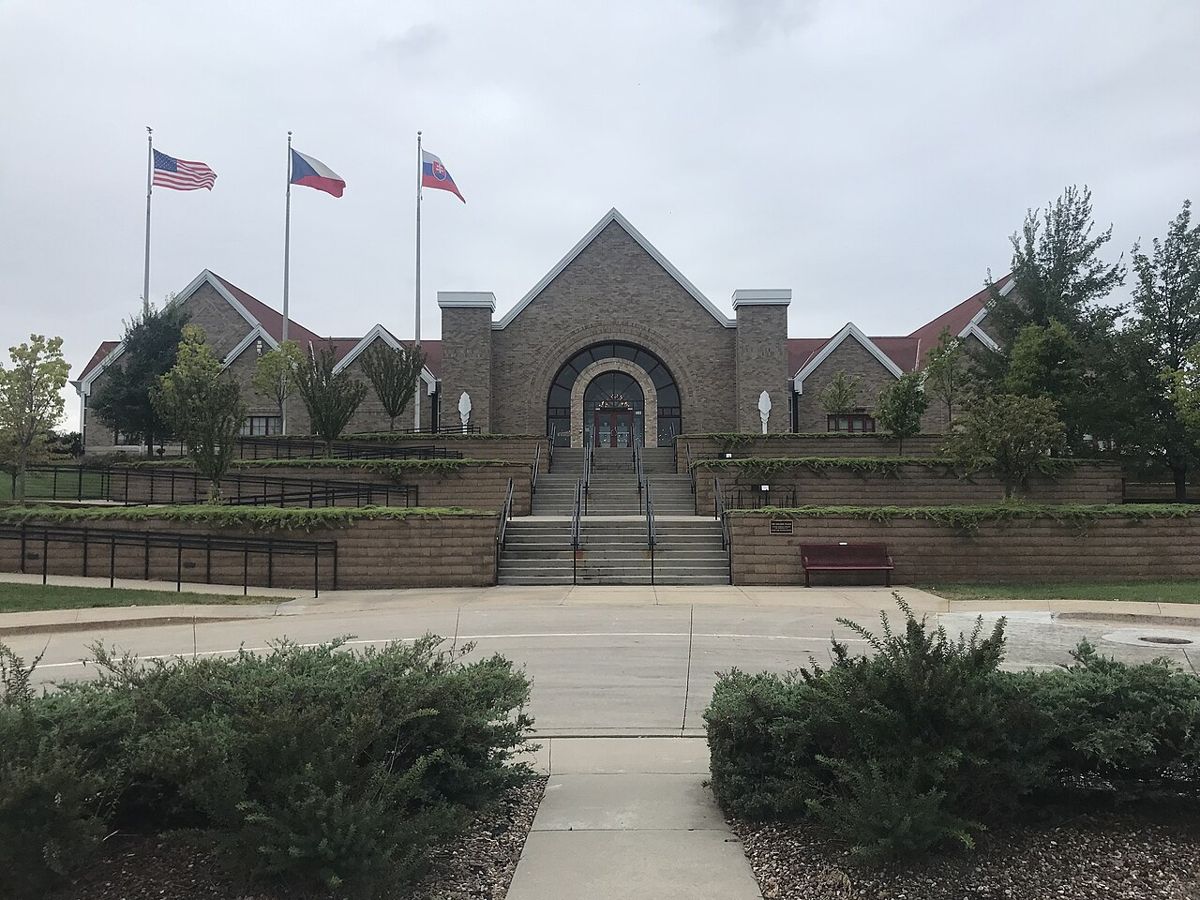
Czech and Slovak immigrants helped shape the southwest side, and their story lives on in Czech Village and at the National Czech & Slovak Museum & Library. Around the county, small towns grew up as railroad stops — Alburnett, Walford and Swisher all trace their roots to the rails.
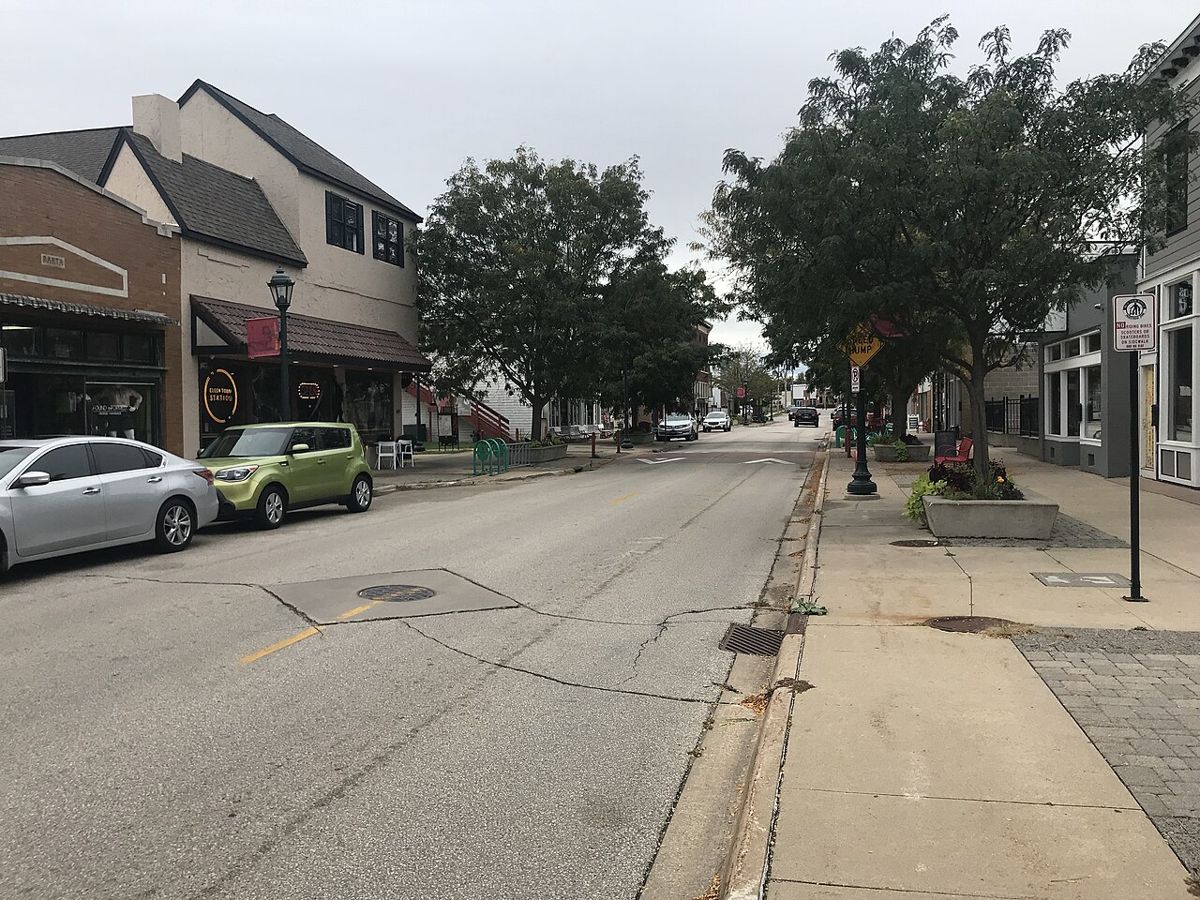
Marion, the first county seat
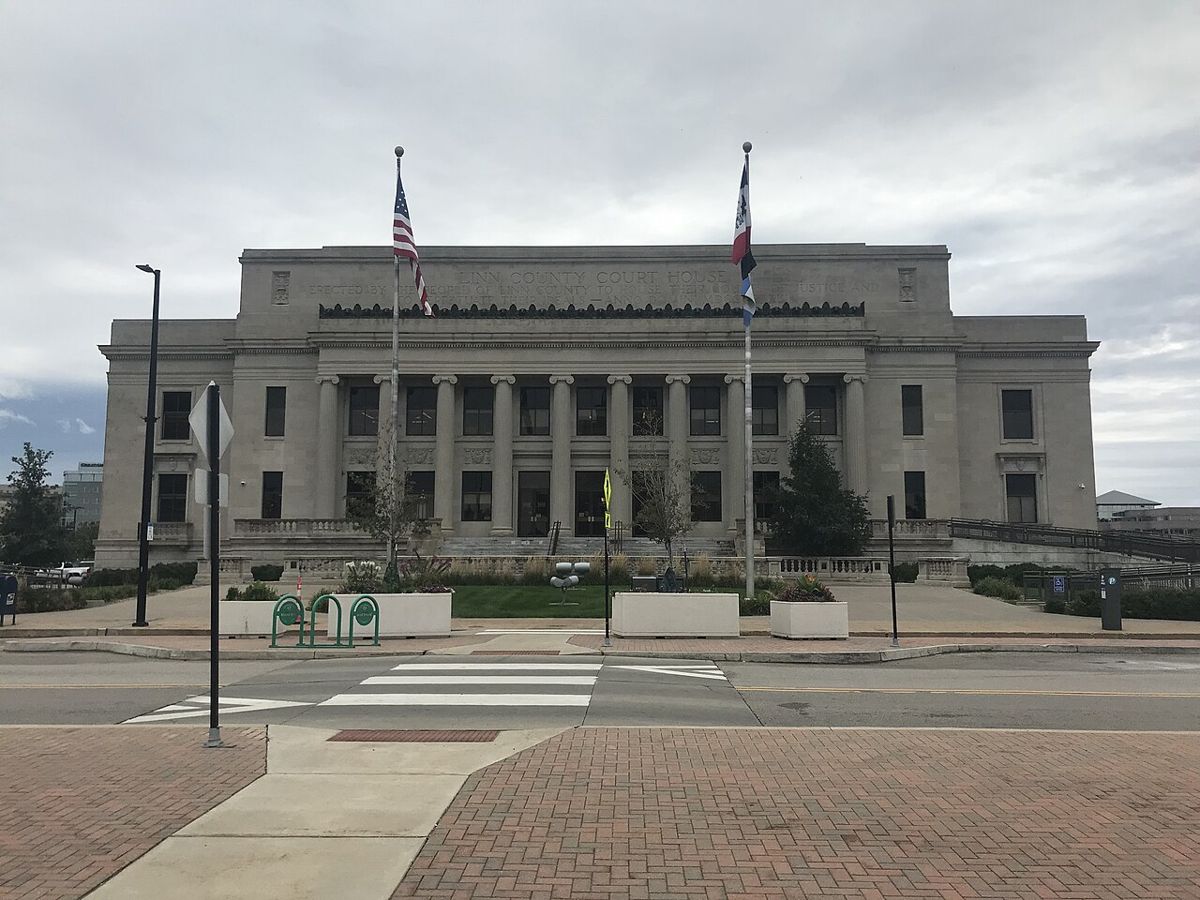
Linn County’s first courthouse went up in Marion in 1842, and a second Marion courthouse followed in 1855. Marion and Cedar Rapids had a long, friendly-ish tug-of-war over the county seat — and in 1925 county government moved to the brand-new courthouse on May’s Island in the Cedar River. Designed by architect Joseph Royer in the Beaux-Arts style, it still houses the courts today. Source: Iowa Judicial Branch courthouse history.
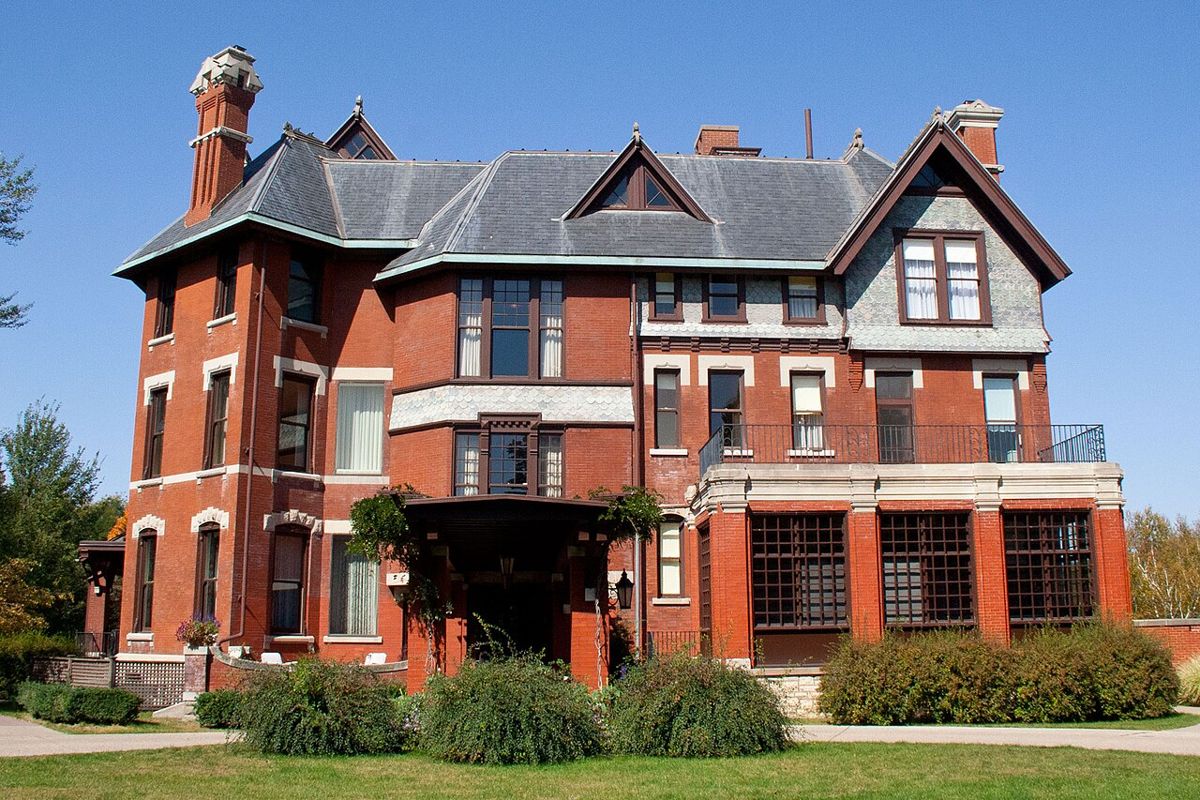
🏡 Brucemore
Caroline Sinclair, a widow raising six children, built this 21-room Queen Anne mansion between 1884 and 1886 and called it “Fairhome.” The Douglas family took it over in 1906 and named it Brucemore; Margaret Douglas Hall left the estate to the National Trust for Historic Preservation in 1981.
Source: Brucemore history
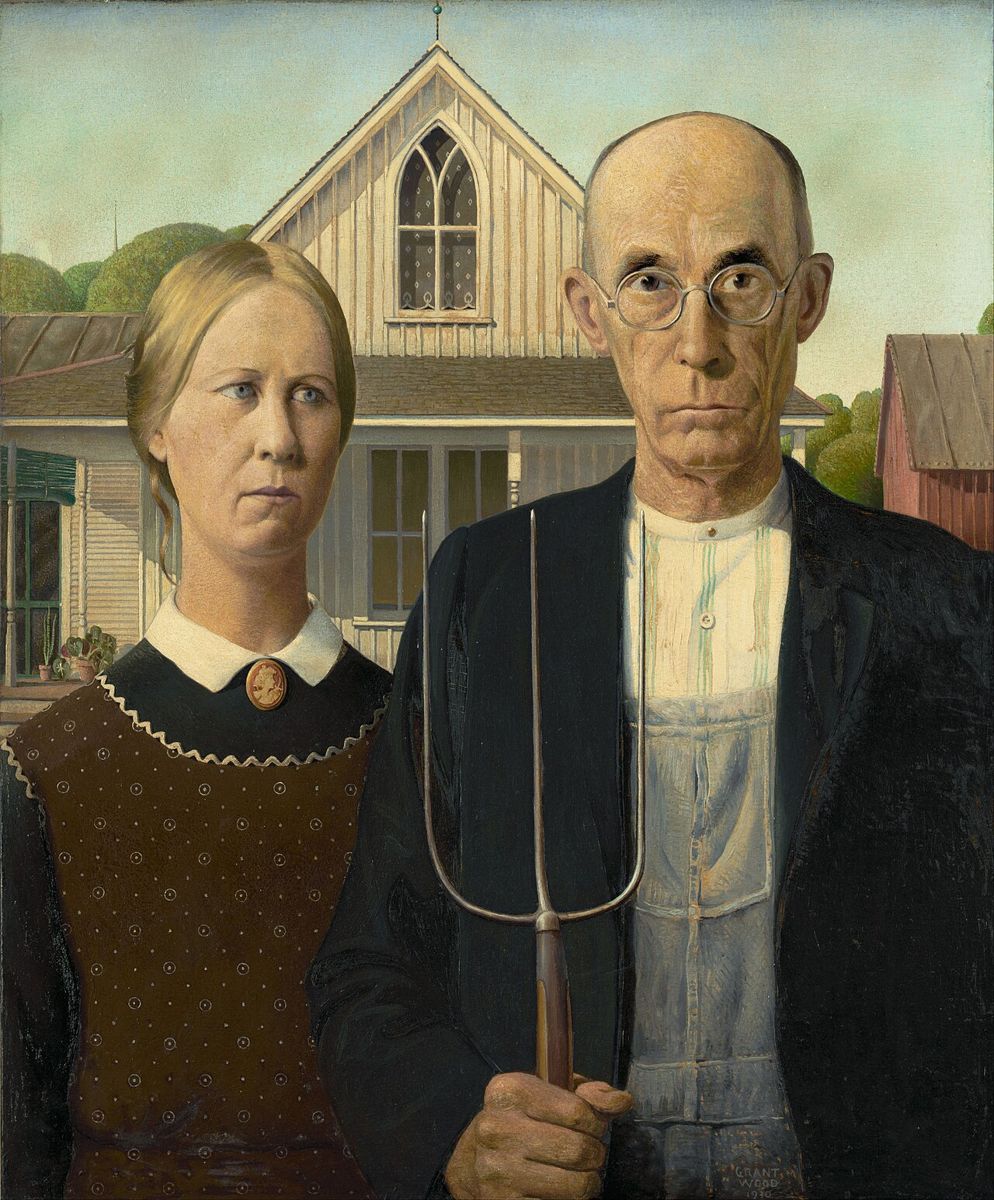
🎨 Grant Wood’s studio
Grant Wood lived and worked in a converted carriage-house loft at 5 Turner Alley from 1924 to 1935 — and painted American Gothic there in 1930. The Cedar Rapids Museum of Art owns the studio today.
Source: Cedar Rapids Museum of Art

🎭 The Paramount Theatre
It opened on Sept. 1, 1928, as the Capitol Theatre, with vaudeville and movies, and was renamed the Paramount in 1929. Since 1976 it has been home to the Cedar Rapids Symphony, now Orchestra Iowa.
Know a bit of local history we should share? Email us — we’ll check the facts and link the source.